

Introduction
A premium cat tree is about more than design. What matters is how it will look after 3, 6, and 18 months: whether it attracts fur like Velcro, whether the sisal frays, whether every part is easy to vacuum, and whether the structure begins to loosen. This article explains how to choose materials for real life with a cat — and how to care for them — so your cat tree does not become a disposable gadget.
1) Construction: wood, boards, finishes – what really makes the difference?
Wood / furniture elements / MDF
Pros:
high stiffness and stability,
better durability of connections,
looks like a piece of furniture, not a toy.
What to look for:
thickness and stiffness of elements,
edge quality (resistance to bruises),
surface protection (so that "life" does not immediately leave traces).
Practical conclusion: premium means materials + design + connection method. Just "nice photos" mean nothing if the structure is not durable.
2) Scratching: sisal, jute, rope - what to choose and why the cat has its own opinion
This is the part that wears out forever. The question is: whether it wears out nicely and predictably.
Sisal – most often the best choice
Pros:
great "grip" for claws,
cats usually like it,
good durability with reasonable weight and braiding.
Cons:
cheaper sisal tends to be "fluffy", frays quickly and makes an ugly mess.
Jute/decorative ropes
Sometimes they look nice, but:
they can pill faster,
not every cat wants to scratch on it.
Shopping tip (very practical)
If the cat tree is to last for years, ask yourself: is the scratching element replaceable?
This is the fairest "premium" test - because the manufacturer knows that it is a consumable part.
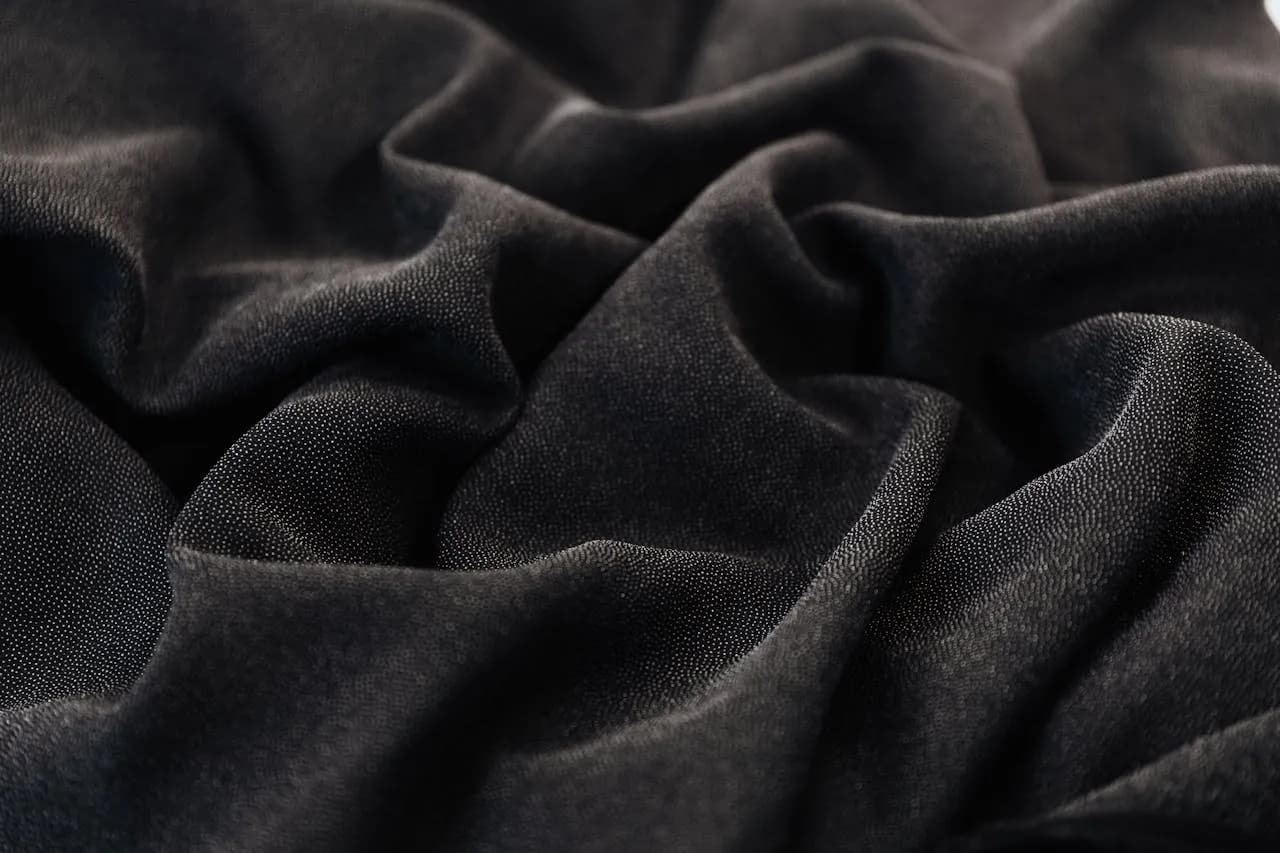
3) Fabrics and soft elements: "pet friendly" is not a slogan
Most often, people fall into two extremes: either plush, which catches hair and dust, or hard material on which the cat does not want to lie.
What do you want in practice?
material which it doesn't catch hair like Velcro,
which can be quickly vacuumed,
which does not look tragic after contact with claws,
and which is pleasant for the cat (otherwise the platforms will be ignored).
The most common problems
the hair gets into the weave → it's hard to dust it off,
the material becomes "lined" from the claws,
light fabrics without a sensible finish get stains faster than you think.
Conclusion: If the cat tree is to be placed in the living room, the fabric should be "furniture" and not "mascot" fabric.
Get to know our Drapery materials and finishes
4) Cleaning and hygiene: how to care for your cat tree so that it always looks good
Vacuuming (minimum)
regularly vacuum platforms and corners,
upholstery brush + crevice nozzle does the job.
Hair removal
rubber glove / silicone brush often better than a roller,
a clothes roll is great for quick use in front of guests.
Stains and odors (safe)
avoid aggressive chemicals,
it is better to use gentle upholstery products + quick drying,
if the cat is marking or has had a "mishap", enzymatic agents are key (but spot test first).
5) How to choose materials for your cat and lifestyle (mini-scenarios)
If you have a large cat (+7 kg)
priority: stiffness, stability, resistance to backlash,
scratching elements must be durable and sensible.
If you have a long-haired cat (hair everywhere)
avoid materials that act like Velcro,
choose surfaces that are easy to vacuum.
If the cat tree is in the living room (premium vibe)
furniture-like finishes,
neutral, elegant textures,
consistency with the interior > "cat" look.
6) Checklist: materials that will last and look good
construction as rigid as furniture
edges and surfaces resistant to everyday use
a scratching surface that the cat actually likes (often sisal)
fabrics that are easy to clean and do not catch hair
consumables that can be replaced/serviced
Ending
Materials are the “hidden” premium foundation. They decide whether after half a year the cat tree still looks like an element of the interior or like a tired toy. The best choice is one that combines: furniture structure, reasonable scratching surface and easy-to-clean fabrics.
If you want to see how these assumptions translate into ready-made configurations, go to the collection and compare the variants based on your cat's size and weight:
See the Drapery collections